Saturday Night Special
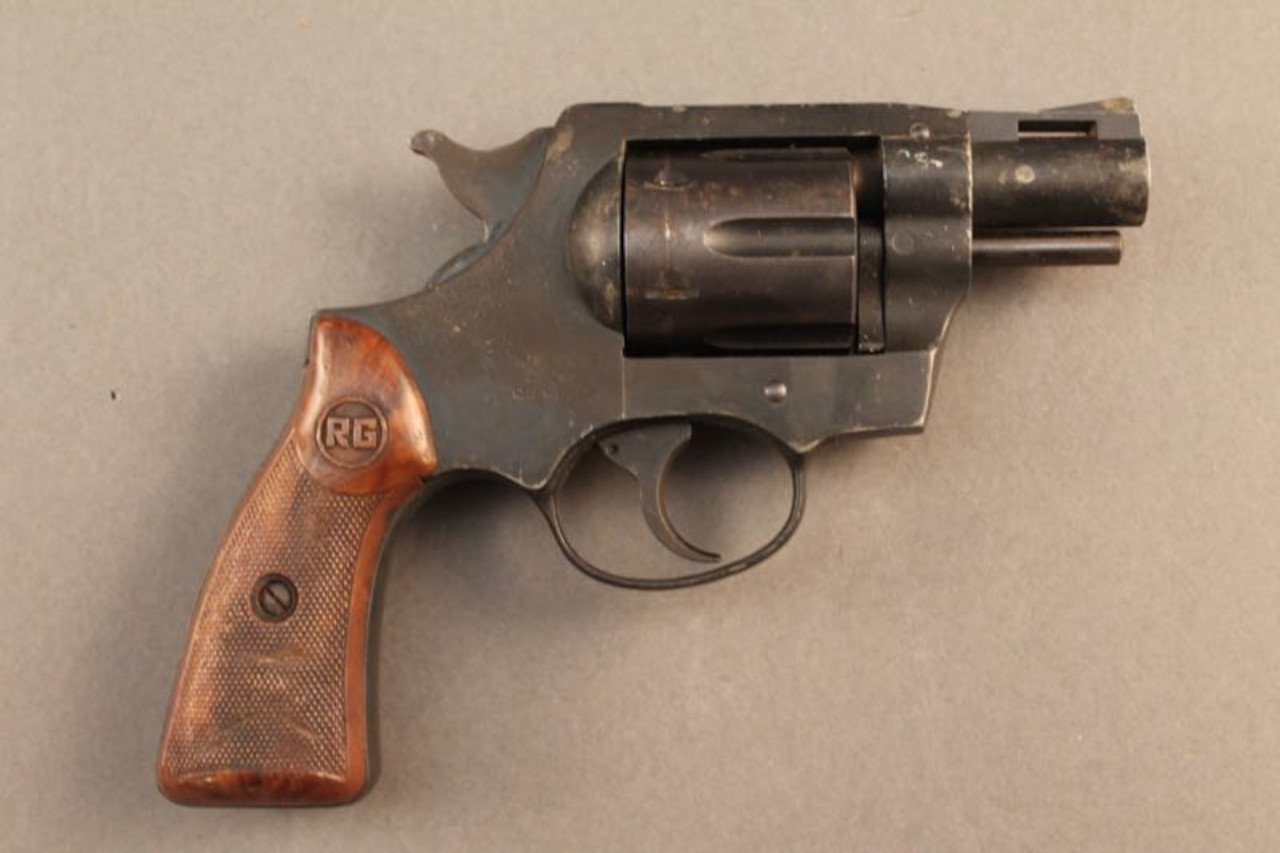
Saturday Night Special
A friend of mine, who is a devout Libertarian, once told me, “whenever government regulates something, it creates a market.” But having worked in government regulation and policy, I informed him he had it backwards. Government creates regulations where markets already exist.
I did concede to him that, when government imposes regulations, those very regulations can increase demand within an existing market. A great example of this phenomenon is the Saturday Night Special.
In the 1960s, European firearms manufacturers exported to the United States product lines of inexpensive handguns. After a series of major urban riots escalated demand for handguns, especially inexpensive models, A police captain in Detroit used the term Saturday Night Specials, probably for all the mayhem they caused when factory workers went out on the town on weekends.
Congress used urban gun violence and the occasion of several high profile assassinations to pass the 1968 Gun Control Act. When we say that ‘government’ regulates something, we are actually speaking of the diverse cadre of lobbyists influencing government, often with competing and contradictory demands.
Imagine major U.S. firearms manufacturers supporting the legislation that effectively barred importation of the European handguns. Alongside them were Gun Control organizations, aiming to reduce the availability of inexpensive handguns.
President, Richard Nixon, who campaigned on ‘Law & Order” for the 1968 presidential race, had this to say privately in 1972:
“I don’t know why any individual should have a right to have a revolver in his house,” Nixon said in a taped conversation with aides. “The kids usually kill themselves with it and so forth.” He asked why “can’t we go after handguns, period?” Nixon went on: “I know the rifle association will be against it, the gun makers will be against it.” But “people should not have handguns.”
After the Gun Control Act of 1968, pawn shop dealers saw a serious downturn in handgun sales. In fact, one pawn shop dealer in California complained about it to a friend, named George Jennings. Jennings owned a machine shop servicing the aerospace industry.
In 1970 Jennings began distributing a Saturday Night Special that he designed, the Raven P-25. It was a small, twenty-five caliber pistol made with a zinc alloy to reduce costs. Jennings’ company inspired an entire ecosystem of firearms manufacturing in Southern California, later dubbed, ‘the Ring of Fire’.
The significance of Saturday Night Specials in the Motor City coincided with its unofficial moniker, the Murder Capital of the country. The 1967 riots moved a lot of peaceful citizens, both in the suburbs and urban areas, to purchase handguns.
As a result, so many people owned handguns that ordinary arguments turned into murders and shootings usually among relatives or friends.
What I learned researching Heat 1973 is that half a century ago, our society struggled with the balance between citizens’ ability to protect life and property versus easy access to deadly force. I’m amazed that we’re still struggling half a century later.